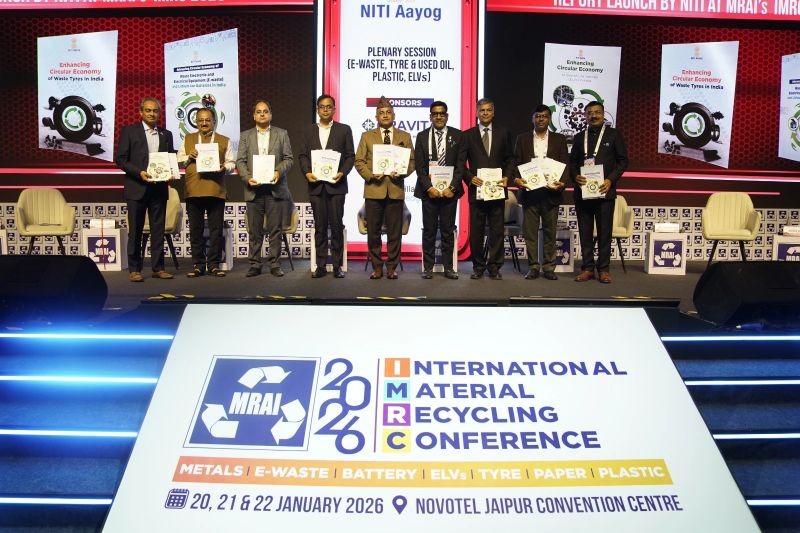
NITI Aayog Launches Three Reports on Circular Economy for ELVs, Waste Tyres, E-waste and Lithium-ion Batteries in Jaipur

New Delhi, January 27: NITI Aayog on January 22 launched three key reports on “Enhancing Circular Economy in End-of-Life Vehicles (ELVs), Waste Tyres and E-waste and Lithium-ion Batteries in India” during the Material Recycling Association of India (MRAI) International Material Recycling Conference (IMRC) held in Jaipur.
The reports analysed the existing challenges in India’s circular economy ecosystem and provided detailed recommendations for infrastructure development, sector formalisation, strengthening the Extended Producer Responsibility (EPR) framework, and enhancing the economic potential for revenue generation.
The initiative aligns with the Prime Minister’s vision of Viksit Bharat by 2047, which emphasises a shift towards a low-carbon and resource-efficient development pathway. This transition requires large-scale deployment of clean energy systems, where electronic and electrical equipment, lithium-ion batteries and automotive vehicles will play a central role in driving digitalisation, mobility and the broader energy transition.
According to the reports, electric vehicle sales in India have risen sharply from 50,000 units in 2016 to 2.08 million in 2024, with the government targeting 30 per cent of total vehicle sales to be electric by 2030. As a result, the demand for lithium-ion batteries is projected to increase from 29 GWh in 2025 to 248 GWh by 2035.
The number of End-of-Life Vehicles in India is expected to rise from 23 million in 2025 to 50 million by 2030, while e-waste generation is projected to grow from 6.19 million metric tonnes in 2024 to 14 million metric tonnes by 2030. These trends underline the growing challenges of managing ELVs, waste tyres, e-waste and lithium-ion batteries in a sustainable manner.
The reports stress that building a circular economy for these sectors is not only an environmental necessity but also a strategic imperative, essential for achieving sustainable and inclusive growth under the Viksit Bharat 2047 vision.
Developed through extensive consultations with key stakeholders, including line ministries, regulators, industry representatives and knowledge partners, the reports provide a comprehensive assessment of existing gaps and propose actionable measures to accelerate India’s transition towards a circular economy. These measures aim to improve resource efficiency, strengthen material security and enhance long-term sustainability.
The three reports are titled “Enhancing Circular Economy of End-of-Life Vehicles (ELVs) in India”, “Enhancing Circular Economy of Waste Tyres in India”, and “Advancing Circular Economy of Waste Electronic and Electrical Equipment (E-waste) and Lithium-Ion Batteries in India”.
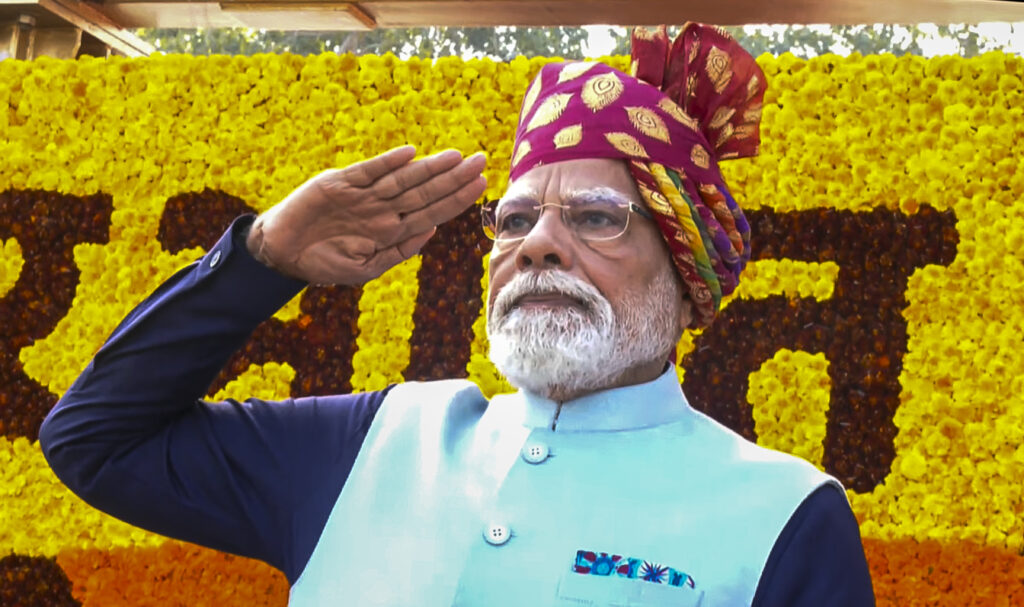
Prime Minister Shri Narendra Modi addresses Post Budget Webinar on Agriculture and Rural Transformation
This year’s Union Budget gives a strong push to agriculture and rural transformation : PM …
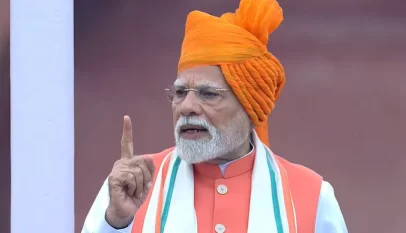
Prime Minister Shri Narendra Modi addresses Post Budget Webinar on Agriculture and Rural Transformation
This year’s Union Budget gives a strong push to agriculture and rural transformation : …