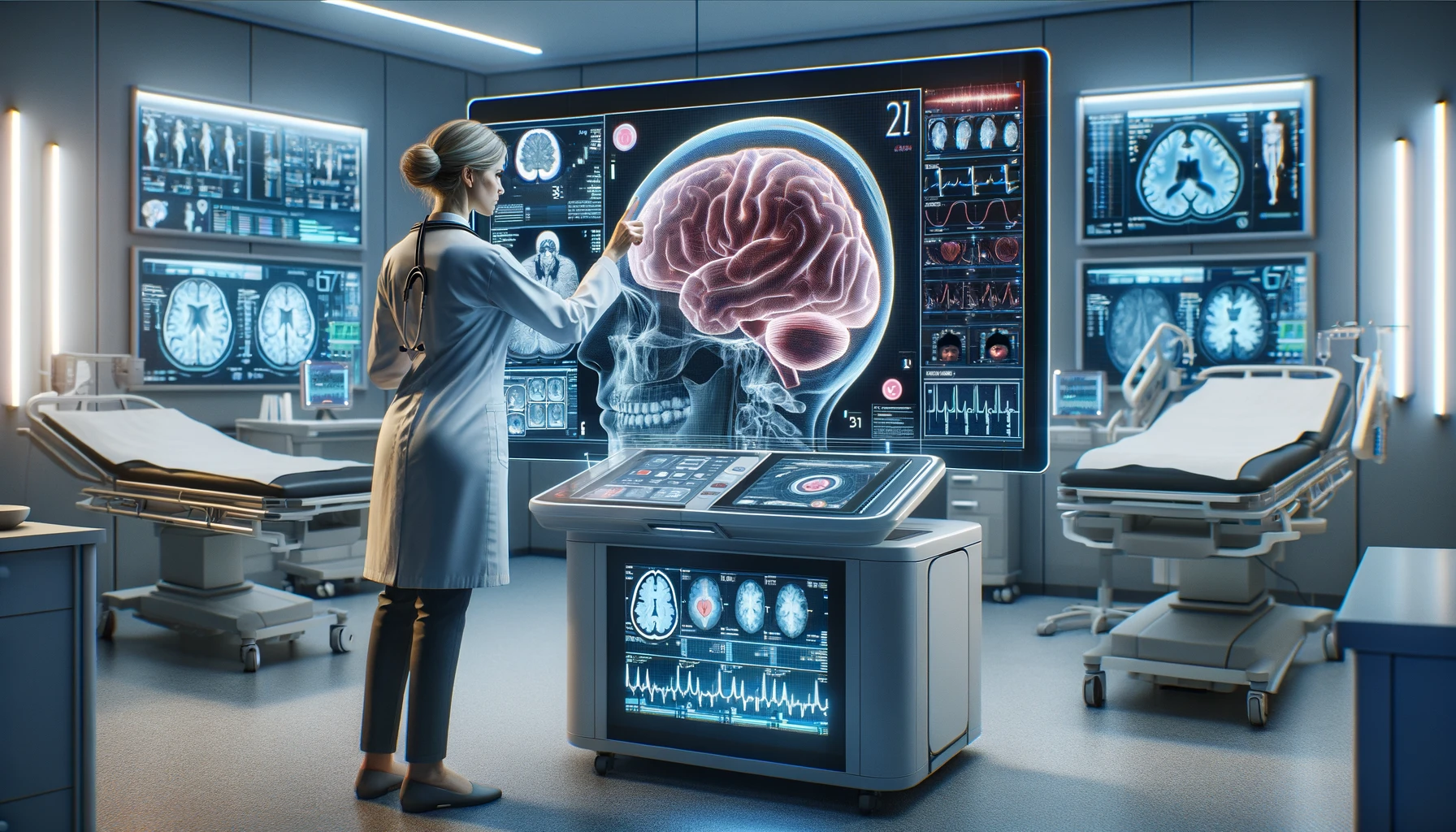
Small Technologies, Big Relief: How Practical AI Can Transform Pharmacy Services at SKIMS

Mahi Durakhshan
A few days ago, while attending an Artificial Intelligence summit organised at Sher-i-Kashmir Institute of Medical Sciences, SKIMS, I found myself paying less attention to fashionable buzzwords and more to a simple, recurring question! How can technology genuinely help people who are already working on the ground?
The discussions were not futuristic or abstract. They reflected everyday hospital realities like overworked staff, crowded wards and constant pressure to deliver safe care with limited time and resources. Similar ideas are to be in deliberated around the upcoming International AI summit scheduled to be held in New Delhi this month, reinforcing one core principle that is Digital India. Healthcare innovation does not need to be complex or disruptive; it needs to be practical, affordable and more humane.
On returning to my routine work at the hospital, the answer to this question became evident how to implement in our functional areas and get the services synced with the boom of technology.
In a tertiary care hospital like SKIMS, ward pharmacists walk through wards daily to review handwritten treatment charts under the unit dose dispensing system. Each prescription must be read carefully, medicines identified, doses calculated and ward wise drug requirement sheets prepared. This process is meticulous and essential, yet repetitive, time consuming and physically draining.
Pharmacists are highly trained professionals, capable of contributing meaningfully to patient safety, pharmacovigilance and rational drug use. However, a significant portion of their time is consumed by manual transcription and calculations, often under pressure while wards remain busy and patients wait.
This is where a simple but powerful idea emerges. At a time when digital tools assist people in content creation, diagnostics and decision support, it is reasonable to ask why technology cannot help Pharmacists by reading handwritten treatment charts and converting them into calculated drug quantities.
Globally, healthcare systems have already begun using artificial intelligence to reduce routine workload. The UK’s National Health Service has implemented AI-supported tools to assist with clinical documentation, referral triaging and Pharmacy Inventory Optimisation, helping staff spend less time on paperwork and more on patient care (NHS Digital, 2023).
In the United States, institutions such as the Mayo Clinic use AI-based systems to support medication reconciliation, flag potential drug interactions and streamline discharge prescriptions, areas traditionally prone to human error when handled manually (Mayo Clinic Center for Digital Health, 2022).
In India, large healthcare networks like Apollo Hospitals have publicly reported adopting AI to improve operational efficiency, predict medicine demand, reduce wastage and ease clinician workload, as reported by Reuters in 2023. Similarly, AIIMS New Delhi has initiated digital health and AI-driven pilots to improve patient flow and medical record management in high-volume departments (Ministry of Health & Family Welfare Report, Government of India).
What is notable across these examples is not technological extravagance but intent. The focus is on solving everyday operational problems, reducing fatigue, improving accuracy, optimising resources and enhancing patient safety.
In regions like Jammu and Kashmir, hospitals face unique challenges like, high patient inflow, seasonal disease patterns and logistical constraints that demand precise planning. Medicines are precious resources. Over-supply leads to wastage and expiry while under supply compromises patient care.
Even modest improvements in daily planning can have meaningful outcomes, faster service delivery to wards, reduced burnout among pharmacy staff, improved utilisation of drug stocks and more time for pharmacists to focus on monitoring adverse drug reactions, preventing drug interactions and ensuring dose accuracy.
The proposed idea is intentionally simple. A pharmacist could take a clear photograph or scan of a handwritten treatment chart. A basic digital tool using optical character recognition and pattern recognition could generate a draft list of medicines and quantities required for a ward. The pharmacist would review, validate and remain fully accountable.
This is not about replacing professionals or overhauling existing systems. It is about assisting trained staff with routine tasks so they can apply their expertise where it matters most.
The same principle can be extended to other hospital services. Diet and nutrition departments could use similar tools to plan patient meals more accurately, reducing food wastage. Hospital transport systems could adopt AI-based tracking to monitor vehicle usage, ferrying of ambulances for transportation of patients from trauma sites to hospitals, their fuel consumption and availability, models already functioning in smart city transport systems across India including Jammu and Kashmir.
Concerns are often raised that technology may erode the human element in healthcare. In reality, thoughtful use of AI can strengthen it. When machines handle repetitive counting and transcription, humans gain time for judgment, compassion and accountability.
As healthcare discussions continue at national and international platforms, institutions like SKIMS have an opportunity to demonstrate that innovation does not always mean complexity. Sometimes, innovation begins by observing routine work closely and responding with locally relevant, practical solutions.
Lastly, the idea of converting handwritten treatment charts into validated digital drafts for pharmacy use represents a small but meaningful innovation. It respects existing systems, preserves professional accountability and directly addresses an everyday operational burden. If implemented thoughtfully, such an approach could place SKIMS among early public institutions in the region to adopt practical digital assistance in Pharmacy services, not as a headline grabbing experiment but as a sincere step towards making hospital work safer, more efficient and with more productivity.
(The Author is a Senior Pharmacist at SKIMS, Soura, and can be reached at: [email protected])


2 Overground Workers Arrested In J&K’s Baramulla; IEDs, Arms Seized
SRINAGAR, Oct 22: Security forces arrested two overground workers of terrorists and recove…
2 Overground Workers Arrested In J&K’s Baramulla; IEDs, Arms Seized
SRINAGAR, Oct 22: Security forces arrested two overground workers of terrorists and recovered arms …